
Nation Building in Reverse
As Karl Popper predicted, radical tolerance has given way to intolerance.

For much of the WWII postwar era, the Western project abroad rested on a beguiling assumption: that if stability, capital, and institutional templates were provided, other societies would naturally converge toward liberal democracy, market economics, and cultural pluralism. This belief—half missionary zeal, half managerial hubris—animated decades of foreign policy and trillions of dollars in spending. Yet after a long arc of disappointment, it is increasingly clear that the West has not been building nations at all. It has been unbuilding itself.
The Korean War stands apart. It was a conventional, defensive conflict against a defined aggressor, fought to preserve an existing state rather than to refashion a civilization. What followed Vietnam was something else entirely: a sustained effort to export Western norms as a universal solvent. The idea was simple. If the United States could midwife “little Americas”—complete with elections, NGOs, development aid, and a façade of civil society—former adversaries would become partners. Culture, it was assumed, was malleable. History was optional.
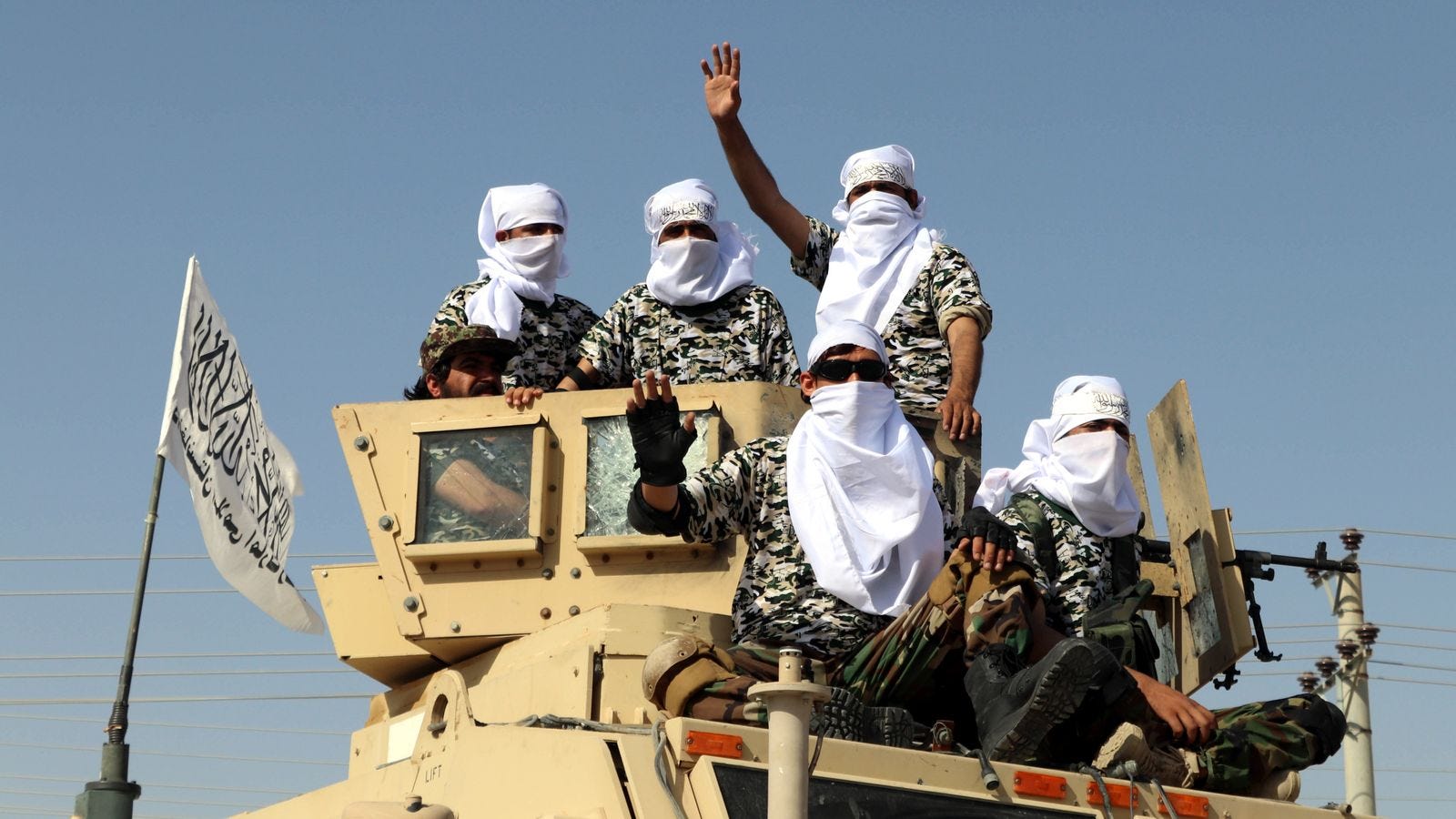
Vietnam proved otherwise, and the lesson was not learned. Central and South America became laboratories for half-hearted interventions and proxy skirmishes. Iraq and Afghanistan represented the apotheosis of the fantasy: vast expenditures of blood and treasure devoted to building nations whose governing traditions, religious commitments, and social structures bore little resemblance to ours. When American troops withdrew, the scaffolding collapsed almost immediately. The money vanished. The elites hedged. The societies reverted—not because of sabotage, but because they were never ours to remake.
The explanation is not complicated. The people we tried to transform did not want what we were selling, at least not in the way we imagined. Local leaders were happy to accept aid, security guarantees, and diplomatic recognition, but they had no intention of abandoning the cultural and political arrangements that sustained their own power. Western nation-building was treated as a temporary condition—useful, lucrative, and ultimately disposable.
Instead of rethinking the premise, Western governments doubled down in a new way: by importing the populations they had failed to transform abroad. The logic was equally naïve. Asylees and disaster migrants, it was assumed, were fleeing chaos in order to embrace the American—or European—experiment. Gratitude would produce assimilation. Exposure would do the rest.
But many migrants did not come to become Americans or Britons or Germans in any meaningful sense. They came for what the West reliably provides: order enforced by others, economic transfers, and insulation from the very factional conflicts they left behind. Those conditions can be enjoyed without adopting Western civic norms, historical loyalties, or social expectations. And when migration occurs at scale, assimilation ceases to be the dominant dynamic. Replication replaces it.
This is not an argument against immigration per se. The historical record is full of immigrants who shed old allegiances, embraced new ones, and helped build the societies they joined. But there is a qualitative difference between immigration that disperses and immigration that reproduces intact cultural blocs. When entire communities appear to have been lifted wholesale from one country and deposited into another, assimilation was never the goal. The project was political—advanced by cynical politicians and indulged by social activists who mistook moral sentiment for policy.
Nowhere is this clearer than in Europe and the United Kingdom. Countries that once prided themselves on openness have awakened to cities, neighborhoods, and public norms they scarcely recognize. The native populations that once styled themselves as enlightened hosts increasingly resemble hostages—expected to accommodate intolerance in the name of tolerance, to surrender sovereignty in the name of compassion. A decades-long epidemic of moral exhibitionism has put the intolerant in charge.
This is nation-building in reverse. After World War II, the West set out to rebuild the world in its image. Instead, the world—through migration, demographic pressure, and cultural assertiveness—has begun to rebuild the West in its own. The failure was not tactical but philosophical: a refusal to accept that culture matters, that not every society wants to be remade, and that no civilization can survive indefinitely if it treats its own inheritance as negotiable.
The lesson is overdue. A civilization that cannot say what it is, or insist on continuity, will not export itself. It will import its undoing.
Our military industrial complex is a powerful lobby. As you described, countless wars for seemingly nothing.
These articles keep getting better and better.