
The Unnecessary War
Why I think the American Civil War could have been avoided.

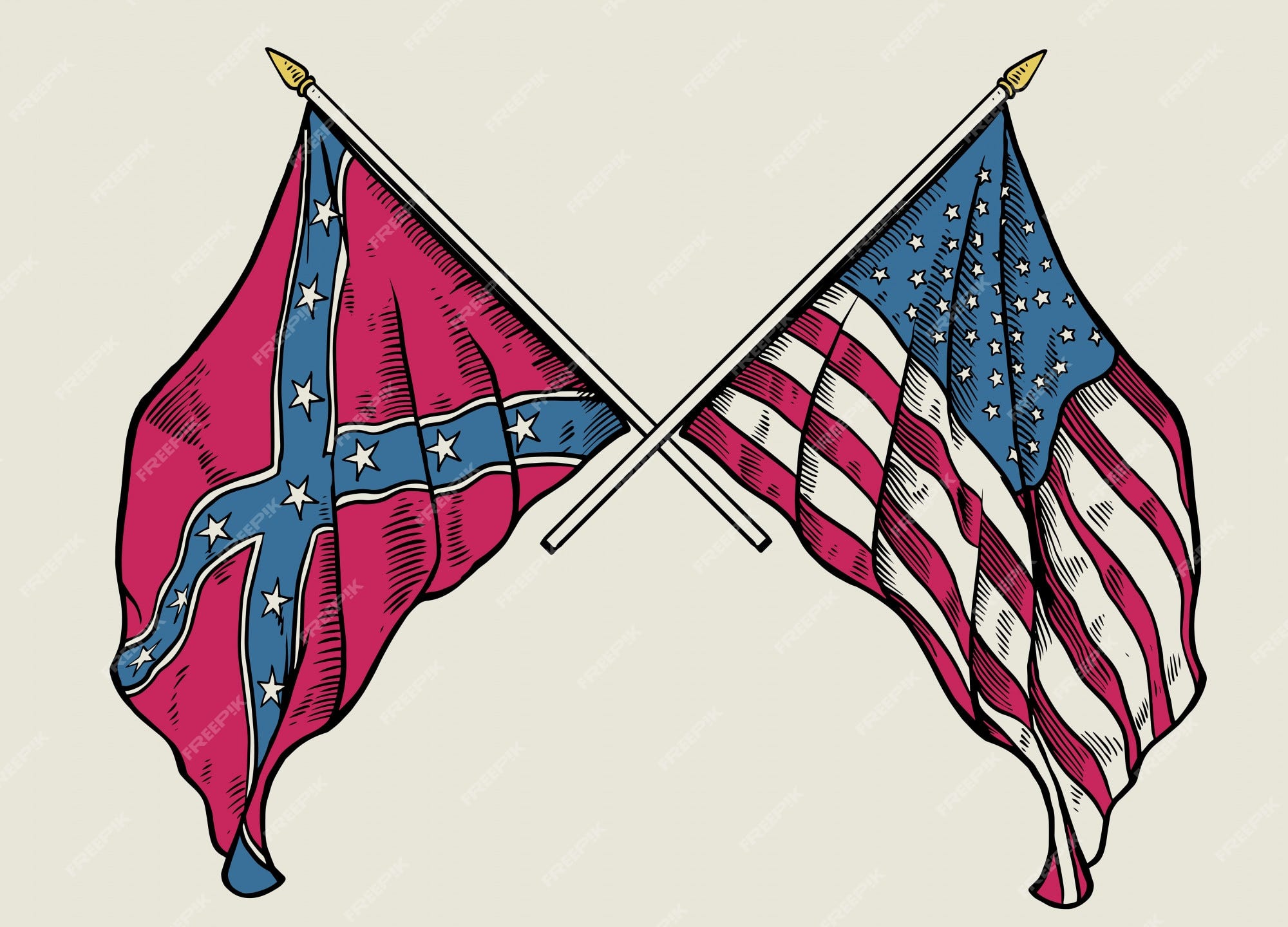
If I am going to tell you readers why I think the Civil War could have been avoided, I should give you my reasoning. Here it is:
The American Civil War (1861–1865) remains one of the most devastating conflicts in United States history, resulting in over 600,000 deaths and widespread destruction. While often portrayed as an inevitable clash over slavery, a closer examination of history suggests that war was not the only path available to resolving the tensions between the North and South. Diplomatic compromises, gradual emancipation, and economic pressures could have provided alternative solutions. The war was ultimately unnecessary because other means existed to end slavery and preserve the Union without such catastrophic loss.
One of the strongest arguments for the avoidability of the Civil War is the long history of political compromises that had previously resolved sectional tensions. The Missouri Compromise of 1820, the Compromise of 1850, and the Kansas-Nebraska Act of 1854 were all efforts to balance the interests of free and slave states. While these compromises were not perfect, they demonstrated that negotiation was possible. Had cooler heads prevailed, another agreement—perhaps one involving compensated emancipation or territorial concessions—could have prevented secession and war.
Moreover, in the 1860 election, Abraham Lincoln repeatedly stated that he had no intention of abolishing slavery in states where it already existed. His main goal was to prevent its expansion into new territories. Had the Southern states accepted this and worked within the political system instead of resorting to secession, they could have continued negotiating their interests without war.
By the mid-19th century, slavery was already becoming economically unsustainable. The Industrial Revolution and the increasing mechanization of agriculture meant that labor-intensive slavery was losing efficiency. Many European nations, including Britain, had ended slavery without civil war, primarily through legislative efforts and economic incentives. A similar path could have been pursued in the United States.
Additionally, the North’s growing economic dominance and rapid industrialization meant that the Southern economy would have struggled to remain viable without adapting. Over time, economic pressure might have led to a natural decline of slavery, as it did in other parts of the world. Instead of forcing immediate abolition through war, the U.S. government could have pursued gradual emancipation, allowing the South to transition economically while ending slavery peacefully.
Public opinion against slavery was already growing, both in the North and internationally. Literature like Uncle Tom’s Cabin by Harriet Beecher Stowe had stirred moral outrage, and the abolitionist movement was gaining traction. Given time, the moral and political momentum against slavery might have led to its demise without bloodshed.
In Great Britain, slavery was abolished through the Slavery Abolition Act of 1833, a process that involved compensating slaveholders and providing a transition period. The United States could have followed a similar model, offering economic incentives for Southern states to phase out slavery over time.
The Civil War caused enormous suffering, including the deaths of more than 600,000 Americans and widespread destruction, particularly in the South. Beyond the battlefield, it left a legacy of resentment, economic hardship, and racial tensions that persisted for generations. Had a peaceful resolution been pursued, these deep scars on American society could have been avoided.
The war also disrupted the economy, strained international relations, and set a precedent for violent conflict over political disagreements. While the end of slavery was a noble and necessary outcome, achieving it through war may not have been the only—or even the best—way.
While the Civil War ultimately ended slavery and preserved the Union, it is debatable whether such a devastating conflict was necessary. Political compromise, economic transition, and gradual abolition were viable alternatives that could have prevented war while still achieving emancipation. The immense loss of life and destruction suggest that a more patient, diplomatic approach might have spared the nation its bloodiest conflict. Had leaders on both sides been more willing to negotiate, the United States might have found a peaceful path to ending slavery and maintaining unity.
Well the “truism” that disgusts me is the claim that “ the Civil War settled the issue of whether States could succeed from the union!” This is just the vulgar “Argumentum ad Bacculum” that is, “might makes right!” The legality of secession was never directly addressed. Had South Carolina not made the move of bombarding Ft. Sumter there would have been little pretext for the Northern States to have responded militarily.
The other thing that disgusts me is the senseless adulation of John Brown who was a murderous terrorist who “executed” a slave who refused to fight with him at Harper’s Ferry. Slavery may be a deprivation of liberty but Brown murdered a man and the right of life is more fundamental than the right of liberty. In effect John Brown behaved as if that man were no better than his own chattel.
Back in the 90s I read this book by Robert V. Bruce “Lincoln and the Tools of War” - that cited anecdotal evidence that the Civil War made a plentiful number of very profitable weapons/materiel contracts especially for European armaments makers and vast numbers of middlemen, proving lucrative to Wash DC’s politicos too - really the inception of the Military Industrial Complex in our history. Cheers, Tom