
The Chaos Strategy
Today's mayhem isn't accidental, it is manufactured and is part of a larger plan.

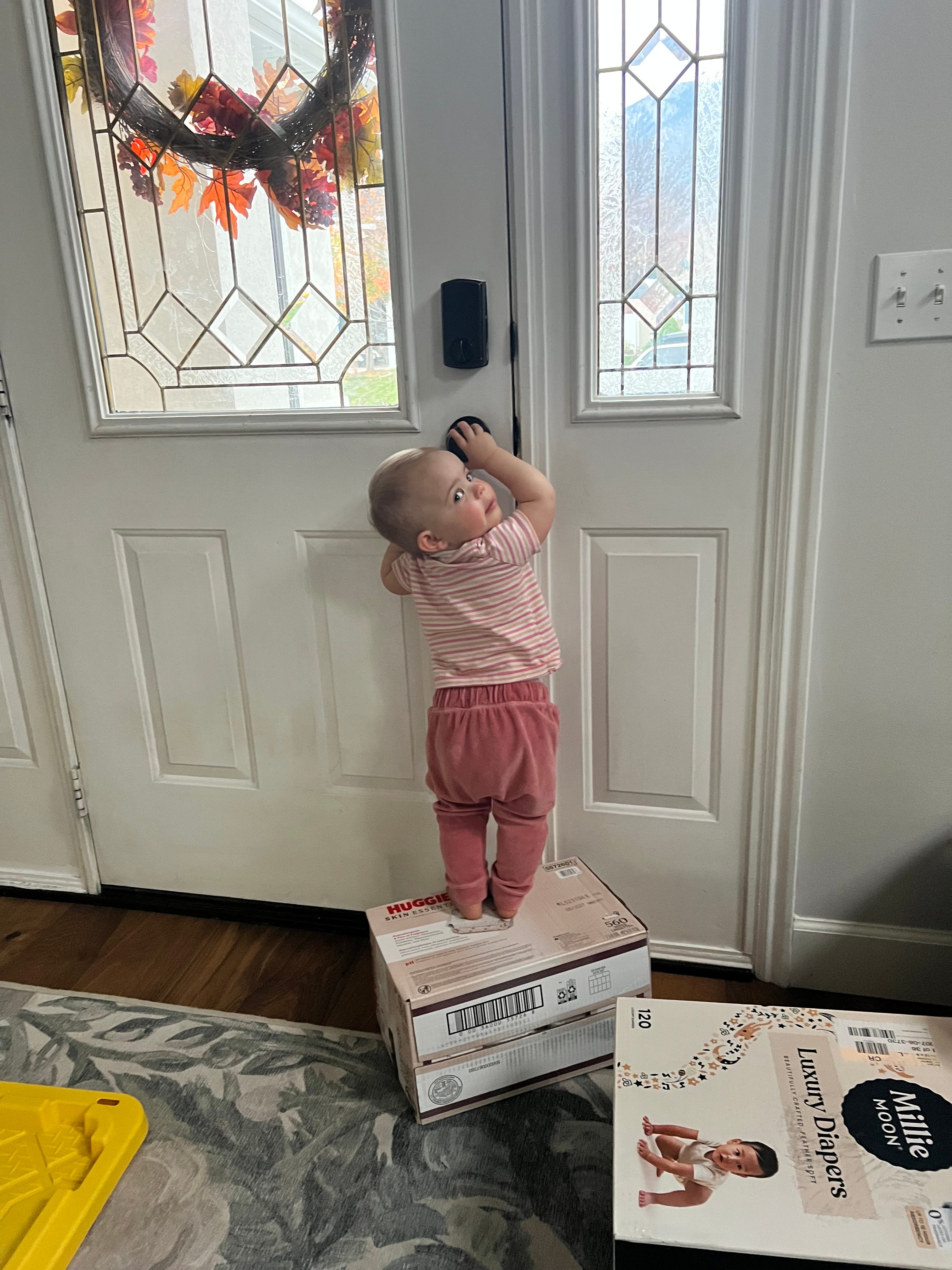
My wife and I are blessed to be able to watch the growth of our fifteen month old granddaughter on a daily basis. She is learning about the world (and our expectations of behavior) and as we watch her enthusiastically test her limits, we begin to see obvious similarities between that very personal process and what shows up in the daily news.
Human development follows a predictable arc. Children arrive in the world incapable of distinguishing right from wrong. Parents (and even grandparents) define boundaries, impose consequences, and teach risk by letting small pains inoculate against larger dangers. As children internalize these lessons, their behavior gradually aligns with the expectations of the household and the standards of the wider world. Responsibility is not innate; it is cultivated through structure and enforcement.
Radical political movements, like children, do not mature on their own. They are shaped—either into responsible participants in civic life or into perpetual adolescents—by the incentives and consequences society provides. In recent years those incentives have been unmistakable: when destructive actions carry no penalty, the behavior escalates. When institutions refuse to enforce the norms that sustain a free society, the radicals learn that tantrums work, intimidation pays, and chaos opens doors that order keeps shut.
But unlike with undisciplined children, this civic regression is not accidental. Increasingly, it appears purposeful.
The pattern reveals itself not only in the behavior of radical groups but in the political response to them. Conservatives are routinely expected to clean up the messes created by progressive governance—fiscal, social, and civic. And prominent moral scolds, from left-wing activists to ostensible Christian conservatives like David French, consistently place the burden on the offended rather than the offender, especially when illegal immigration is involved. Those harmed by disorder are told to show compassion; those creating the disorder are treated as morally untouchable. The child who breaks the lamp becomes the victim of the parent who objects.
This inversion mirrors what we observe in criminal justice. It is now almost commonplace to read about an individual arrested dozens of times—sometimes forty or more—finally committing a homicide before authorities enforce the laws that existed precisely to prevent such tragedies. In blue cities, justice is not blind; it is paralyzed. Only when innocent people die does leadership feel enough public shame to act. The delinquent child becomes a protected caste and the responsible citizen a nuisance.
This is not mere incompetence. It is a political calculus.
The dynamic reflects the weaponized oppressed/oppressor dichotomy that now dominates progressive governance. Misbehavior is excused on ideological grounds, and outrage is redirected toward anyone who attempts to restore order. As long as chaos reigns, the public becomes exhausted, demoralized, and increasingly dependent on the very officials who allowed the chaos to flourish. The cycle is not broken by better enforcement but intensified by additional programs, bureaucracy, and social spending—solutions that promise safety while codifying disorder.
Mark Pulliam, lawyer and author, has diagnosed this strategy with clinical precision: “Blue city mayors actively encourage crime as a strategy to create chaos, induce a sense of helplessness, and foster submission to a cradle-to-grave welfare state.” The election of avowed socialists in cities like New York and Seattle is not an accident but the intended fruit of governance that blurs the line between mismanagement and ideological ambition.
Illegal immigration exposes this strategy in its purest form. The federal government refuses to enforce its own laws, allowing millions to enter the country unlawfully. Communities strained by the influx are told to show decency, empathy, and restraint, while those attempting to enforce the legal order—from border states to federal agents—are subjected to vilification and outright fabrication. The chaos grows, the public is emotionally blackmailed, and the solution offered is always the same: more federal control, more programs, and more power centralized in the hands of those who engineered the disorder.
We are witnessing a perverse maturation cycle in reverse. A functional society teaches its citizens—like its children—that actions have consequences. A dysfunctional one shields wrongdoing, punishes responsibility, and then exploits the resulting breakdown to justify expanded authority.
Radical movements behave like children because they are treated like children. But the chaos they generate is not childish. It is political. It is intentional. And unless adults once again take charge—by enforcing laws, reinforcing norms, and rejecting the emotional extortion that excuses destructive behavior—the cycle will continue, escalating until the public forgets what normal even looked like.
Order is not oppressive. Chaos is. And chaos, for some, is the point.
As always, direct, factual, and a call for action. Thx Michael
Thank you for the clarity, though I don't know how we get people, especially in cities, to stop voting for this shit.