
Leviathan Rolls On
Once done, government actions are extremely hard - if not impossible - to undo.

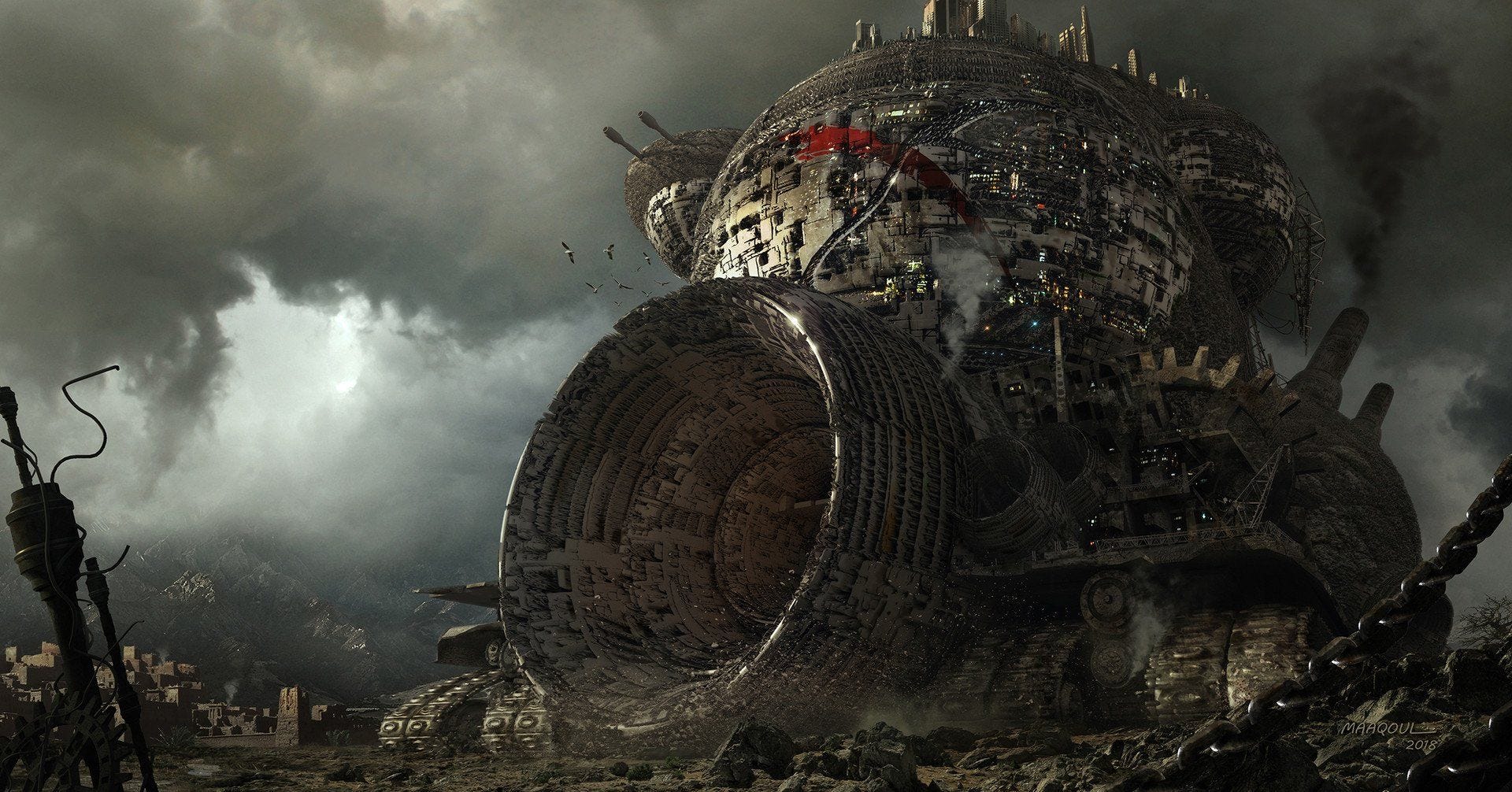
The Leviathan that is the U.S. government, with its sprawling Deep State bureaucracy lurking beneath constitutional provisions, is a master of self-perpetuation and self-protection. Once a law, regulation, or appointment is cemented, it becomes a herculean task to undo, no matter how flawed or damaging. This inertia isn’t just frustrating - it’s a deliberate feature of a system designed to entrench power and resist change. I’ve long opposed idiotic or unnecessary laws and regulations, not only because they’re foolish on their face but because they’re nearly impossible to repeal once enacted. This rigidity extends beyond legislation to the permanent appointments of Article III judges, who wield immense power with near-impenetrable job security.
Consider the process to remove an Article III judge, a stark example of this bureaucratic entrenchment. It takes just 51 Senate votes to confirm a federal judge to a lifetime appointment but dislodging one requires a gauntlet: the House must draft articles of impeachment, secure 218 votes to pass them, and then the Senate must hold a trial and muster a two-thirds majority (67 votes) to convict and remove. The Constitution demands “Treason, Bribery, or other high Crimes and Misdemeanors” as grounds, meaning only egregious, provable misconduct - like corruption or perjury - qualifies. Poor performance, biased rulings, or frequent reversals by higher courts don’t cut it. Only 15 federal judges have been impeached in U.S. history, with just 8 removed, the most recent being Judge G. Thomas Porteous Jr. in 2010 for corruption. No Supreme Court justice has ever been removed, though Justice Samuel Chase dodged conviction in 1804. Unless a judge crosses into blatant criminality, they can defy policy, presidents, or public will with impunity, especially if their party holds enough congressional sway to shield them.
This same entrenchment plagues other federal actions. Take the Affordable Care Act (ACA), passed in 2010. Despite repeated Republican promises to repeal it, the ACA remains largely intact 15 years later. Repeal efforts, like the 2017 Senate vote, failed narrowly (51-49), showing how even a simple majority - far easier than the two-thirds needed for impeachment - can’t dismantle a law once it’s rooted. The bureaucracy, with its web of regulations and stakeholders, protects its own. Similarly, federal agencies like the Department of Education, created in 1979, face perennial calls for abolition but persist due to entrenched interests and the difficulty of unwinding complex regulatory frameworks. Once a department or program exists, it spawns constituencies - employees, contractors, beneficiaries - who lobby fiercely for its survival.
Even executive actions, like President Obama’s DACA program, prove stubborn. Initiated in 2012 via executive memorandum, DACA has withstood multiple legal challenges and attempts at termination, including President Trump’s 2017 rescission effort, which courts blocked. The program’s persistence highlights how bureaucratic momentum and judicial intervention can preserve policies beyond their original mandate.
Even spending proves far more difficult to rein in than one would expect. We watched how the Executive branch engaged in the Sisyphean task of cutting or even delaying aid money appropriated by Congress, even after DOGE clearly identified cases where the money was being siphoned off by the web of NGOs or was a complete waste on its face. We are still fighting in the courts over whether the Executive Branch has the power to fire federal employees in the departments clearly under Executive Branch management and responsibility.
These examples underscore a maddeningly grim reality: the federal system is a one-way ratchet. Laws, regulations, and appointments slide into place with relative ease but resist removal with ferocious tenacity. Article III judges, shielded by lifetime tenure and a nearly insurmountable impeachment process, epitomize this. The Deep State’s self-preservation ensures that once power is granted - whether to a judge, a law, or an agency – it is rarely relinquished, leaving citizens frustrated and reformers outmatched by a machine built to endure.
This is why the Founders established a limited form of government – and why the crooks and liars that infest it continue to find ways to expand it.
Absolutely. Like Marxism, it seems to have to collapse of its own weight.
It’s seems we won’t have any power over our government until the nullification process is as easy as putting things in place.