
From Chains to Narratives
The shift from corporeal coercion to mental domination—and why it threatens democratic life.

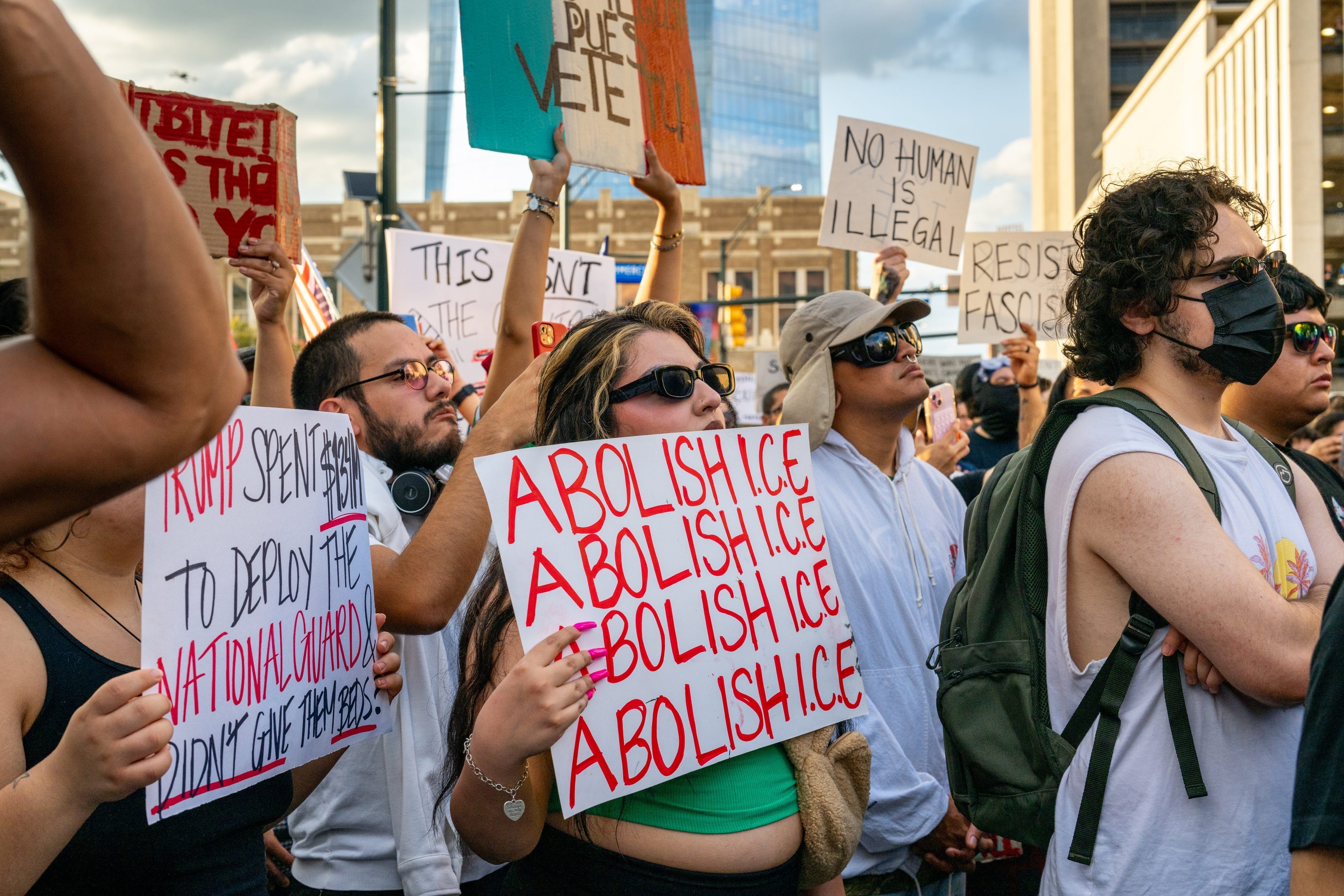
Corporeal tyranny—tyranny of the body—is unacceptable to a free people, but tyranny of the mind, a tyranny that quietly sneaks in on tiny kitten’s feet, is far worse.
Tyranny, in its most overt form, manifests as corporeal oppression, the physical coercion of bodies through force, imprisonment, or violence. History is replete with examples: the iron-fisted rule of dictators like Stalin or Mao, where dissenters were executed or sent to gulags. Such corporeal tyranny is universally condemned as unacceptable, a violation of basic human rights and dignity. It crushes the body but often leaves the spirit resilient, fostering underground resistance and eventual revolutions.
The American Founding Fathers rebelled against King George’s physical impositions, declaring independence from chains that bound the flesh. Yet, while this form of tyranny is visible and galvanizing, a subtler variant lurks within: the tyranny of the mind. This internal despotism, where thoughts are policed not by external enforcers but by self-imposed or culturally induced shackles, proves far more insidious and dangerous. It enslaves without overt violence, rendering rebellion moot because the oppressed become complicit in their own subjugation.
Corporeal tyranny, though brutal, has inherent limitations. It requires resources—armies, prisons, surveillance states—to maintain control. Victims can recognize the oppressor as external, fueling moral outrage and collective action. Think of the Civil Rights Movement in the United States, where physical segregation and violence sparked marches and boycotts. The body may suffer, but the mind remains a sanctuary for free thought, allowing individuals to dream of liberty even in chains. Philosophers like John Locke argued that true freedom begins in the intellect, underscoring why physical tyranny often fails long-term: it cannot fully extinguish the human capacity for independent reasoning.
In contrast, tyranny of the mind operates stealthily, infiltrating cognition through ideology, propaganda, and social conditioning. It convinces individuals that certain ideas are not just wrong but unthinkable, fostering self-censorship. George Orwell’s 1984 illustrates this with “thoughtcrime,” where the Party’s Newspeak erodes language to limit conceptual rebellion.
Today, this mental tyranny manifests in various guises, but particularly in what some perceive as leftist, anti-reality dogmas that prioritize ideological purity over empirical truth. For instance, debates around gender, climate, or identity often devolve into enforced narratives where questioning scientific or biological realities invites social exile. Cancel culture, amplified by social media algorithms, acts as a digital panopticon, where fear of ostracism silences dissent. This isn’t mere disagreement; it’s a reprogramming of perception, where “woke” orthodoxy demands allegiance to fluid truths, dismissing objective reality as oppressive constructs.
Why is this more dangerous?
Because it endures beyond regime change. Corporeal tyranny can be overthrown by force or elections, but mental tyranny persists in the psyche, passed down generations through education and culture. In contemporary society, universities—once bastions of free inquiry—now enforce “safe spaces” that shield from uncomfortable ideas, breeding intellectual fragility. This anti-reality bent, often aligned with progressive ideals, warps discourse: facts become “hate speech,” and nuance is labeled heresy. Unlike physical chains, these mental ones are invisible, making escape elusive.
Ultimately, affirming that corporeal tyranny is unacceptable is straightforward; it’s a consensus etched in international law. But the tyranny of the mind, especially in its modern leftist incarnations that erode shared reality, poses an existential threat. It undermines the foundation of society—rational discourse—leading to polarization and authoritarianism disguised as virtue.
This form of tyranny exists because rational people allow it to exist. If one considers how events like the flagrant mistreatment of J6 protesters, the outright murder of Ashlii Babbitt, Joe Biden’s rapid and obvious mental decline while in office, the attempted assassinations of President Trump, and the successful assassination of Charlie Kirk have been allowed to evaporate without consequences—which, unfortunately, is the likely outcome of the recent shooting of two National Guard soldiers (and murder of one of them) on Thanksgiving Day—one understands that more will follow as a consequence of there being no consequences.
That is why the video of the “Seditious Six” is so dangerous.
To combat this form of mental tyranny, rational people must reclaim mental sovereignty: question dogmas, embrace discomfort, and prioritize truth over tribe—and assure that adverse consequences are the rule rather than the exception.
The habit of outright lying for political gain, a habit both parties have although the Dems are worse most times, gets to the point that politicians are recommending mutiny among our troops, the BS must end. The Seditious Six are the prime example.
When O-6 politicians violate their oath for political gain, hanging is too good for them. The rest of the Seditious 6 should rot in hell, but Kelly should hang.
I agree with most of your opinions and hope more people agree. In today’s world, it seems conservative views are lost amongst the deluge of progressive podcasters and media sites, universities and colleges, politicians and bureaucrats, condemning anyone disagreeing with them. I fear for the Republic.