
Catastrophe Chasers
The nihilists are everywhere.

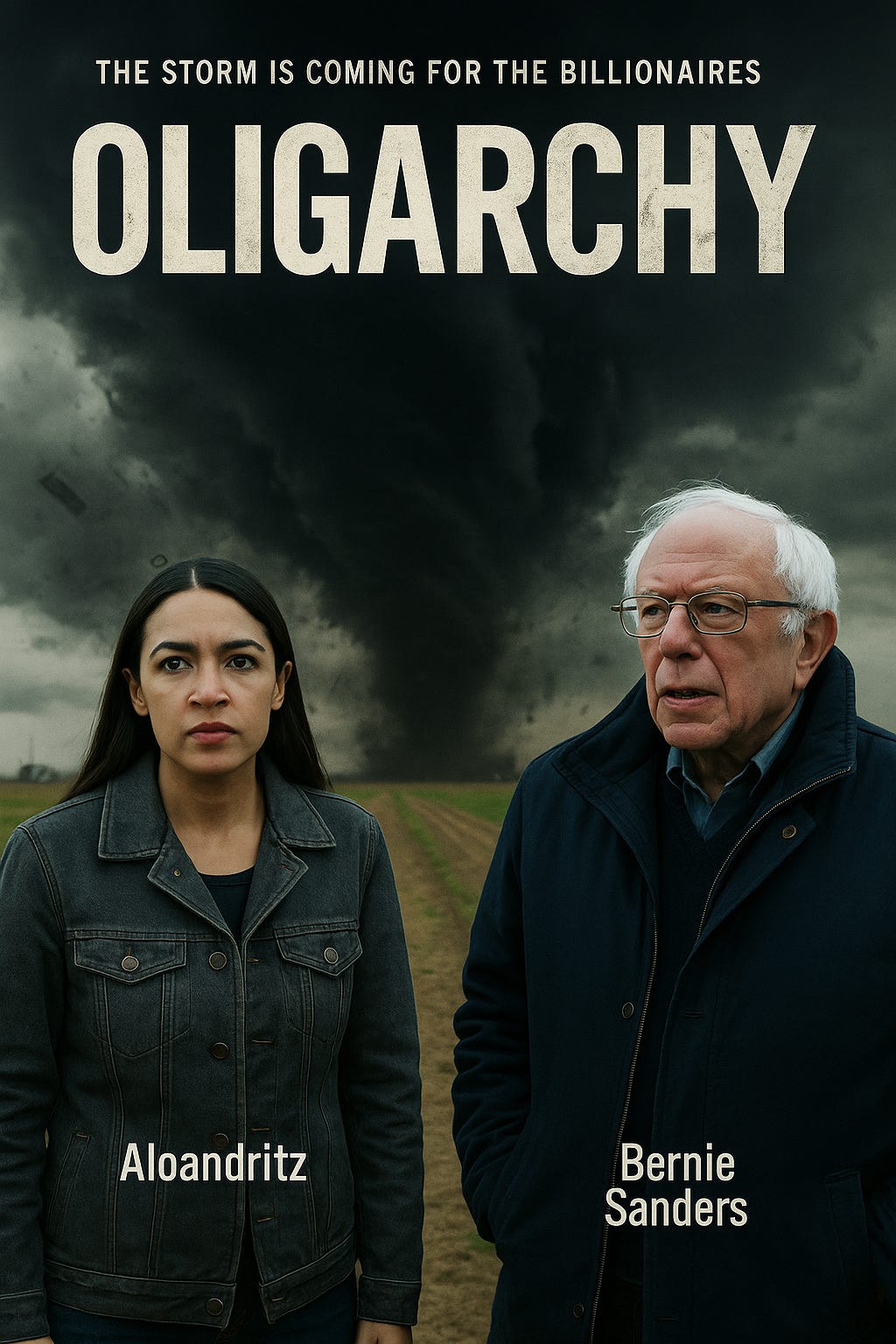
Just as there are tornado chasers, there are also catastrophe chasers.
The Covid-19 pandemic exposed a troubling truth: the combination of nihilism and panic orchestrated by public health officials can devastate a society. The willingness of entire nations to accept lockdowns, economic ruin, and social isolation stemmed not just from fear of a virus but from a deeper cultural void. Nihilism, the belief that life lacks meaning, primed people to embrace this chaos, while public health officials fueled a panic that gave nihilists a perverse validation. Most striking was how masks, vaccinations, and the shunning of dissenters became tools of virtue signaling, and how many seemed to relish the disaster as proof of their worldview.
Nihilism creates a hunger for crises. In a society where traditional anchors—faith, community, or purpose—have eroded, people drift in a sea of meaninglessness. For nihilists, a catastrophe like Covid offered a twisted affirmation: if life is pointless, then a world spiraling into chaos feels like vindication. I was astonished by how many seemed to crave the disaster, not just as a health crisis but as a cultural reckoning. Public health officials, with their apocalyptic models and relentless messaging, fed this craving. Their calls for lockdowns and compliance weren’t just about saving lives—they became a mandate to remake society in the image of fear, which nihilists eagerly embraced as proof that nothing matters.
The panic was a perfect storm. Public health officials wielded selective data and dire warnings, turning a manageable crisis into a moral crusade. Lockdowns, sold as temporary, became indefinite, crushing livelihoods and relationships. Yet, the nihilistic undercurrent made resistance feel futile. Why fight for freedom or question the narrative if life is inherently meaningless? This resignation allowed nations to shutter without widespread revolt. The nihilists didn’t just comply—they reveled in the collapse, seeing it as confirmation of their bleak philosophy.
What shocked me most was how virtue signaling became the currency of this crisis. Masks, regardless of their efficacy, were worn as badges of moral superiority. Vaccinations, even when their necessity was debated, became a loyalty test. Dissenters weren’t just wrong - they were pariahs, ostracized for threatening the narrative. This wasn’t about science; it was about belonging. Nihilists, desperate for purpose, latched onto these symbols, using them to signal their alignment with the "correct" side. The estrangement of skeptics was particularly chilling - friends turned on friends, families fractured, all in the name of a performative righteousness that filled the void of meaning.
And the same segment of society that found validation through this chaos simply cannot abide looking back to see what was right and what was wrong with the actions and attitudes taken – largely because they draw their validation from their actions during the “pandemic”. Nihilists tend to personalize the chaos, so any critique of the responses is a critique of them personally. Because they thrive on “end of the world” thinking, retrospection is not a strong suit for this segment of society.
The Covid panic revealed how nihilism and fear can paralyze a nation. Public health officials exploited a disoriented society, and nihilists, craving disaster, amplified the chaos. To prevent this in the future, we must rebuild a culture rooted in critical thinking, resilience, and authentic purpose. Without it, the next crisis will again find a ready audience of nihilists eager to embrace collapse as validation, sacrificing liberty for the fleeting comfort of catastrophe.
But the catastrophe chasers are nothing if not adaptable, one can see the same pattern in the screams of the death of democracy, the coming autocracy, and warnings about Literally Orange Hitler’s enforcement of immigration law – hell, there are two major figures in the Democrat party on a national tour “fighting oligarchy”.
Time to realize these good folks are not about avoiding disaster, they are inviting it.
The title, Oligarch, sounds like a Tolkein nemesis.
What is your view of apocalyptic thinking as expressed in Daniel and Revelation, among other Biblical references?